
In the modern business landscape, data has become the most valuable currency, but raw information is useless without someone to interpret it. If you have ever wondered what does an analyst do, you are essentially asking about the role of the person who bridges the gap between raw data and actionable business strategy. Analysts act as the detectives of the corporate world, sifting through massive datasets to uncover trends, identify inefficiencies, and provide recommendations that directly impact an organization’s bottom line.
Understanding the Core Responsibilities of an Analyst
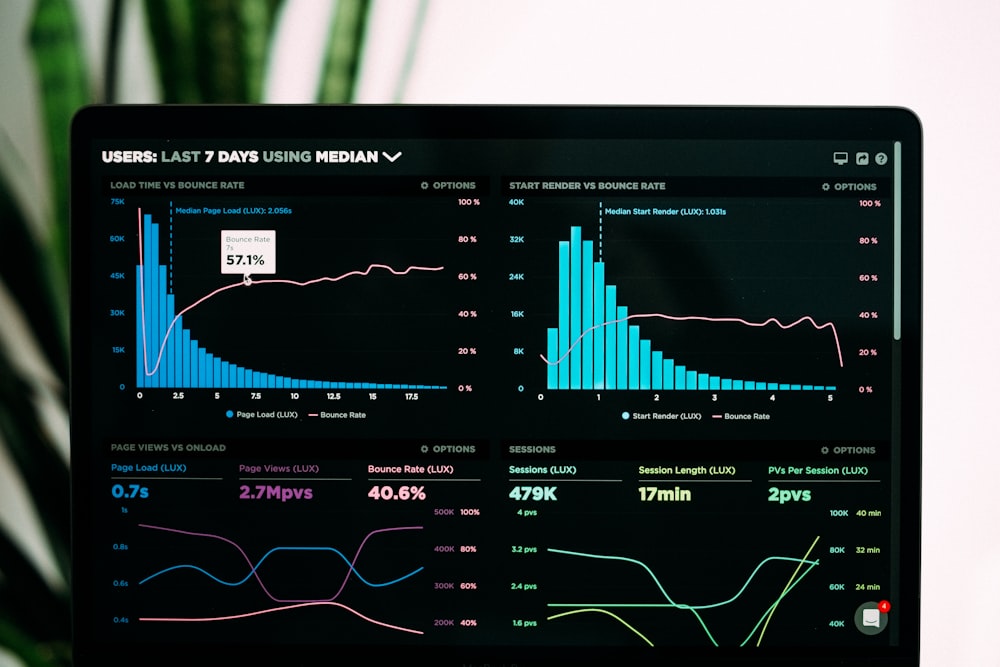
At its most fundamental level, an analyst’s role is to solve problems by examining data. While specific tasks vary depending on the industry—ranging from finance and healthcare to marketing and technology—the fundamental process remains remarkably consistent. An analyst follows a structured path of inquiry to move from a question to a solution.
The core responsibilities typically include:
- Data Collection: Gathering information from various sources, such as internal databases, market research, or web analytics tools.
- Data Cleaning: Ensuring the accuracy and consistency of data, which often involves removing duplicates, correcting errors, and formatting information for analysis.
- Data Analysis: Applying statistical techniques and logical reasoning to find patterns, anomalies, or relationships within the data.
- Visualization and Reporting: Translating complex technical findings into understandable formats, such as charts, graphs, or dashboards, that stakeholders can digest quickly.
- Strategic Recommendation: Providing evidence-based advice to management, suggesting changes to processes, products, or strategies based on the findings.
Diverse Specializations in the Analyst Field
The question "what does an analyst do" is broad because the profession is highly specialized. An analyst in a retail company has vastly different daily tasks compared to an analyst in the cybersecurity sector. Understanding these nuances is crucial if you are looking to enter the field or hire for one.
| Analyst Type | Primary Focus | Key Tools |
|---|---|---|
| Business Analyst | Improving business processes and systems. | JIRA, Visio, SQL |
| Data Analyst | Interpreting complex data to drive decisions. | Python, R, Tableau |
| Financial Analyst | Evaluating investments and financial performance. | Excel, Bloomberg Terminal |
| Marketing Analyst | Measuring campaign effectiveness and ROI. | Google Analytics, CRM software |
The Daily Workflow of an Analyst
To truly understand what does an analyst do, it helps to look at a typical day. It is rarely a monotonous cycle of staring at spreadsheets. Instead, it is an engaging mix of technical work, cross-functional collaboration, and communication.
A typical day often involves:
- Morning Briefings: Meeting with department heads to understand current challenges or project goals.
- Deep-Dive Investigation: Spending several hours working in data platforms to run queries, test hypotheses, or validate models.
- Cross-Department Collaboration: Explaining technical findings to non-technical staff, such as marketing teams or product managers, to ensure everyone understands the implications of the data.
- Documentation: Writing reports or updating documentation so that the methodology behind the findings is transparent and reproducible.
💡 Note: Soft skills, such as communication and critical thinking, are just as vital as technical expertise. An analyst who cannot effectively explain their findings will struggle to influence organizational change.
Essential Skills Every Analyst Needs
Regardless of the industry, there are universal skills that define a high-performing analyst. Being proficient in Excel is often just the baseline; to truly excel in the field, one must master several distinct competencies.
Technical Proficiency
Technical skills form the toolkit. SQL (Structured Query Language) is almost universally required for querying databases. Furthermore, proficiency in data visualization tools like Tableau or Power BI is essential for communicating insights effectively. Many modern analyst roles also require basic to intermediate knowledge of programming languages like Python or R to handle large datasets and automate repetitive tasks.
Critical Thinking and Problem-Solving
An analyst must be inherently curious. They do not just report numbers; they ask “why” those numbers changed. This requires the ability to look at a dataset and form a hypothesis, then methodically test that hypothesis against reality. It is about identifying the “so what” behind the data.
Communication and Storytelling
This is perhaps the most underrated aspect of the profession. An analyst must be a translator. They need to take complex technical data and turn it into a compelling narrative that motivates stakeholders to take action. If the findings cannot be understood, they cannot be acted upon.
Why Organizations Rely on Analysts
Organizations face an overwhelming amount of data, but without analysts, this data remains static. Analysts provide the strategic foresight necessary for competitive advantage. By identifying market trends before they become obvious, they help companies pivot their strategies early.
Furthermore, analysts are the guardians of efficiency. They examine operational workflows, identify bottlenecks, and suggest optimizations that can save companies millions of dollars in wasted resources. In essence, they transform chaos into clarity, allowing leadership to make data-driven decisions rather than relying on intuition alone.
💡 Note: While AI and machine learning tools are automating the more tedious aspects of data cleaning, the demand for human analysts is growing. Humans are still necessary to interpret context, ethical implications, and the broader business strategy that algorithms cannot fully grasp.
The role of an analyst is dynamic, multifaceted, and absolutely critical to modern enterprise success. By answering the question of what does an analyst do, we see that it is not merely about crunching numbers, but about interpreting the world through data. These professionals act as vital navigators, helping businesses steer through complex markets by highlighting the patterns that others might miss. As industries continue to lean further into digital transformation, the need for skilled individuals who can extract meaningful, actionable intelligence from raw information will only continue to increase, cementing the analyst as a central figure in future business innovation.
Related Terms:
- analyst job responsibilities
- business analyst
- the role of an analyst
- job description of an analyst
- analyst job requirements
- job description for analyst role