
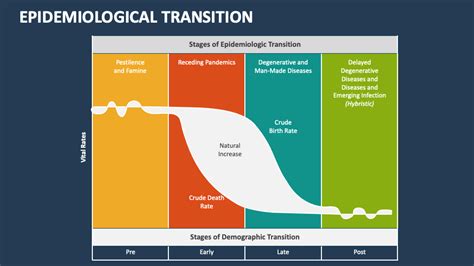
The Epidemiological Transition Model provides a crucial framework for understanding how global health patterns shift as societies develop, modernize, and experience socioeconomic growth. Originally proposed by Abdel Omran in 1971, this theory explains the complex relationship between human development and changes in mortality and morbidity patterns. By analyzing the transition from a world dominated by infectious diseases and high infant mortality to one characterized by chronic, lifestyle-related conditions, researchers can better predict future health challenges and design effective public health interventions.
Understanding the Core Concept of the Epidemiological Transition Model
At its essence, the Epidemiological Transition Model describes a long-term shift in the main causes of death in a population. As a nation advances through the stages of development, the primary drivers of mortality change from pandemics and acute infections to degenerative, man-made, and non-communicable diseases (NCDs). This process is intrinsically linked to improvements in healthcare, nutrition, sanitation, and education, which cumulatively extend life expectancy and reshape the demographic profile of the population.
The model functions under the premise that mortality is a fundamental factor in population dynamics. It posits that as fertility and mortality rates decline, the population undergoes a demographic transition, which in turn influences the prevalence of specific diseases. Understanding this transition is essential for policymakers aiming to mitigate the burden of disease in both developed and developing countries.
The Stages of the Epidemiological Transition Model
Omran’s original model identified three primary stages, though later scholars expanded this to include fourth and fifth stages to account for modern realities. Each stage is defined by specific mortality patterns and health challenges:
- The Age of Pestilence and Famine: Mortality is high and fluctuating, preventing steady population growth. Life expectancy is low (often 20–40 years), with infectious diseases, malnutrition, and poor sanitation being the primary killers.
- The Age of Receding Pandemics: Mortality rates decline progressively as epidemics occur less frequently. Life expectancy increases as sanitation and medical care improve, and the population structure begins to stabilize.
- The Age of Degenerative and Man-Made Diseases: Mortality continues to decline and eventually approaches stability at a low level. The primary causes of death shift to chronic diseases such as cardiovascular disease, cancer, and diabetes, often linked to lifestyle factors.
- The Age of Delayed Degenerative Diseases: Medical advancements push the onset of chronic diseases further into older age, allowing for a longer period of healthy living.
- The Age of Emerging and Resurgent Diseases: A controversial fifth stage, characterized by the re-emergence of infectious diseases due to antibiotic resistance, globalization, and rapid urbanization.
| Stage | Primary Health Issues | Life Expectancy |
|---|---|---|
| 1 | Infectious disease, famine, war | 20–40 years |
| 2 | Receding pandemics, improved hygiene | 40–60 years |
| 3 | Chronic, lifestyle-related diseases | 60–75 years |
| 4/5 | Delayed degenerative disease, new pathogens | 75+ years |
💡 Note: While the model provides a comprehensive framework, it is not strictly linear. Many developing nations today experience a "double burden" of disease, where they struggle with both infectious outbreaks and a rising incidence of chronic conditions simultaneously.
Key Drivers Behind the Transition
Several critical factors influence the pace and trajectory of the Epidemiological Transition Model within a specific society. These drivers are often interdependent, creating a cumulative effect on population health:
- Public Health Initiatives: Mass vaccination programs, improved clean water access, and waste management drastically reduce the spread of communicable diseases.
- Nutritional Shifts: Enhanced food security and nutritional knowledge help combat early-life malnutrition, though these changes can also lead to overconsumption in later stages.
- Advancements in Medicine: The development of antibiotics, surgical techniques, and diagnostic technology allows for the management of previously fatal infections and the mitigation of chronic disease effects.
- Socioeconomic Development: Higher levels of education and economic stability allow populations to access better healthcare and prioritize preventative health behaviors.
Challenges in the Modern Era
The Epidemiological Transition Model faces new pressures in the 21st century. Globalization and rapid urbanization have accelerated the spread of pathogens, meaning that infectious diseases are no longer confined to specific geographic regions. Furthermore, the rise of sedentary lifestyles, industrial pollution, and increased exposure to chemical agents has changed the nature of non-communicable diseases. The current trend toward an aging population also means that healthcare systems must adapt to handle long-term, multi-morbidity conditions rather than short-term acute treatments.
As nations move through these stages, the focus of public health has shifted from "curing" the population to "managing" health throughout the lifespan. This requires a robust, proactive, and equitable healthcare system that can address social determinants of health, such as income inequality and environmental safety, which continue to disproportionately impact the health outcomes of the most vulnerable populations.
💡 Note: Urbanization is a double-edged sword. While it generally increases access to hospitals and clean water, it can also lead to higher rates of stress, pollution-related illnesses, and physical inactivity, which are key drivers of current NCD trends.
Future Outlook and Public Health Policy
Looking forward, the integration of technology and data analytics is expected to refine how we track the stages of the transition. Real-time monitoring of disease patterns allows public health officials to intervene before a potential crisis peaks. Moreover, the emphasis is moving toward preventative medicine, where lifestyle modification—such as improved diet and exercise—is prioritized to delay the transition into the most severe stages of degenerative disease. For governments, the goal is to increase the "healthspan" rather than just the lifespan, ensuring that the final years of life are characterized by wellness rather than chronic illness.
Ultimately, the transition of human populations is a dynamic process defined by our ability to adapt to our environment. By studying the patterns established in the model, societies can better anticipate the health burdens of the future. The transition highlights the necessity of universal healthcare and global cooperation to prevent the resurgence of infectious threats and to curb the epidemic of chronic illness. As we continue to evolve, our success will depend on our capacity to address these interconnected challenges through science, policy, and a commitment to global health equity.
Related Terms:
- epidemiological transition model definition
- epidemiological transition model example
- epidemiological transition model aphg
- epidemiological transition model pdf
- epidemiological transition model stage 1
- epidemiological transition